En la fabricación de chapa metálica, los ángulos de doblado inexactos son uno de los problemas más comunes en las operaciones de prensa plegadora. Incluso una pequeña desviación puede afectar la calidad del ensamblaje y aumentar los costos de retrabajo.
Variación del material (efecto de retorno elástico)
Los diferentes materiales presentan un rendimiento de doblado significativamente distinto. La razón principal radica en la recuperación elástica que ocurre de forma natural después de que se libera la presión, comúnmente conocida como “retorno elástico”. Por ejemplo, el acero inoxidable generalmente muestra un retorno elástico mucho mayor que el acero al carbono ordinario. Las placas más gruesas también tienden a presentar una recuperación elástica más pronunciada debido a un mayor esfuerzo interno. Si el valor de compensación del retorno elástico no se calcula o configura con precisión, el retorno elástico real del material no coincidirá con la compensación programada, lo que finalmente provocará desviaciones en el ángulo de doblado.
Selección incorrecta de herramientas
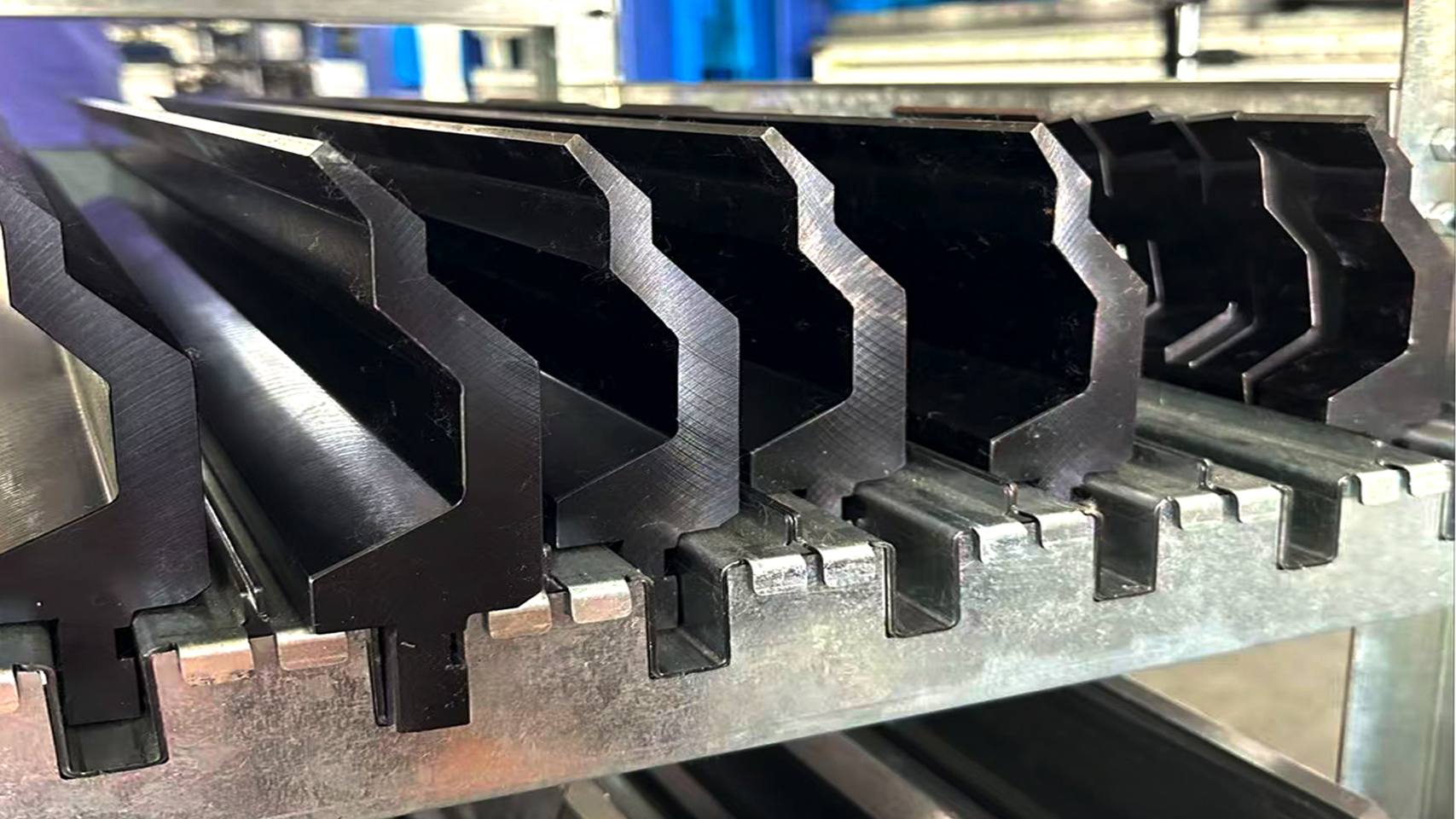
La precisión y la calidad de conformado en las operaciones de doblado dependen principalmente de si las herramientas se encuentran en buen estado. En la producción real, los problemas suelen surgir de múltiples aspectos: una abertura de matriz en V incorrecta impedirá que el material se forme adecuadamente bajo la fuerza; el desgaste, astillado o daño del punzón o de la matriz inferior comprometerá la precisión del contacto; y una precisión insuficiente o un rectificado deficiente de las propias herramientas dificultará la obtención de ángulos estables incluso cuando se seleccionan las herramientas correctas. En esencia, cualquier negligencia en la selección, uso o mantenimiento de las herramientas se reflejará finalmente en desviaciones del ángulo de doblado.
Problemas de calibración de la máquina
Incluso prensas plegadoras CNC de alta calidad pueden desarrollar desviaciones de precisión después de un uso prolongado. Los problemas comunes incluyen errores de posicionamiento del tope trasero, desincronización entre los ejes Y1/Y2 y presión hidráulica inestable. Además, la desalineación de la máquina también puede provocar ángulos de doblado inconsistentes.
Desgaste de herramientas y problemas de mantenimiento
Con el uso acumulado a lo largo del tiempo, las herramientas de doblado inevitablemente experimentan un desgaste natural. Esto se manifiesta típicamente como un redondeo gradual del borde del punzón, la ampliación de la ranura en V de la matriz inferior y una disminución general de la precisión superficial. El desgaste de las herramientas reduce directamente la estabilidad del proceso y la precisión del control del ángulo durante el doblado.
Configuración incorrecta o error del operador
En la producción real, una parte considerable de los problemas de calidad en el doblado no se debe a la propia máquina, sino a errores de configuración o del operador. La colocación inexacta de la chapa, las desviaciones en la configuración del tope trasero o la omisión del proceso de prueba de doblado previo a la producción—estas aparentes pequeñas omisiones operativas a menudo provocan defectos de consistencia en lotes completos de piezas.
Tolerancia del espesor del material
Las propiedades físicas de los materiales de chapa metálica no siempre son perfectamente uniformes. Incluso dentro del mismo lote, puede haber variaciones de espesor, diferencias en los recubrimientos superficiales y una distribución desigual de tensiones residuales internas. Estas sutiles inconsistencias del material afectan directamente la transmisión de fuerza y el comportamiento de retorno elástico durante el doblado, lo que finalmente dificulta garantizar ángulos de doblado consistentes.
La vía principal para mejorar la precisión de doblado consiste en formar un sistema de circuito cerrado de “selección de hardware – control de parámetros – verificación física”. Específicamente,herramientas de plegado de alta precisión para prensas plegadoras deben priorizarse, con dimensiones de abertura en V seleccionadas de forma científica. Esto debe combinarse con una calibración regular de la máquina y ajustes precisos del programa CNC, y finalmente verificarse mediante doblado de prueba antes de la producción en masa. Es particularmente importante enfatizar que la calidad de las herramientas desempeña un papel fundamental en todo el sistema. Su nivel de precisión determina directamente la repetibilidad y la estabilidad del proceso en cada operación de doblado.
En conclusión, la precisión del doblado no está determinada por un solo factor, sino por el resultado combinado de múltiples variables, incluyendo las propiedades del material, el estado de las herramientas, la precisión de la máquina y los métodos operativos. Solo controlando eficazmente cada etapa del proceso pueden los fabricantes mejorar realmente la consistencia del producto, reducir las tasas de desperdicio y lograr una producción en masa de alta calidad.

 0555-6768298

 en línea
 0555-6768298
 0555-6769126
 sales2@cngolin.cn
 +86 18251802252